The Cipher Museum — 3,900 Years of Encryption in Your Browser
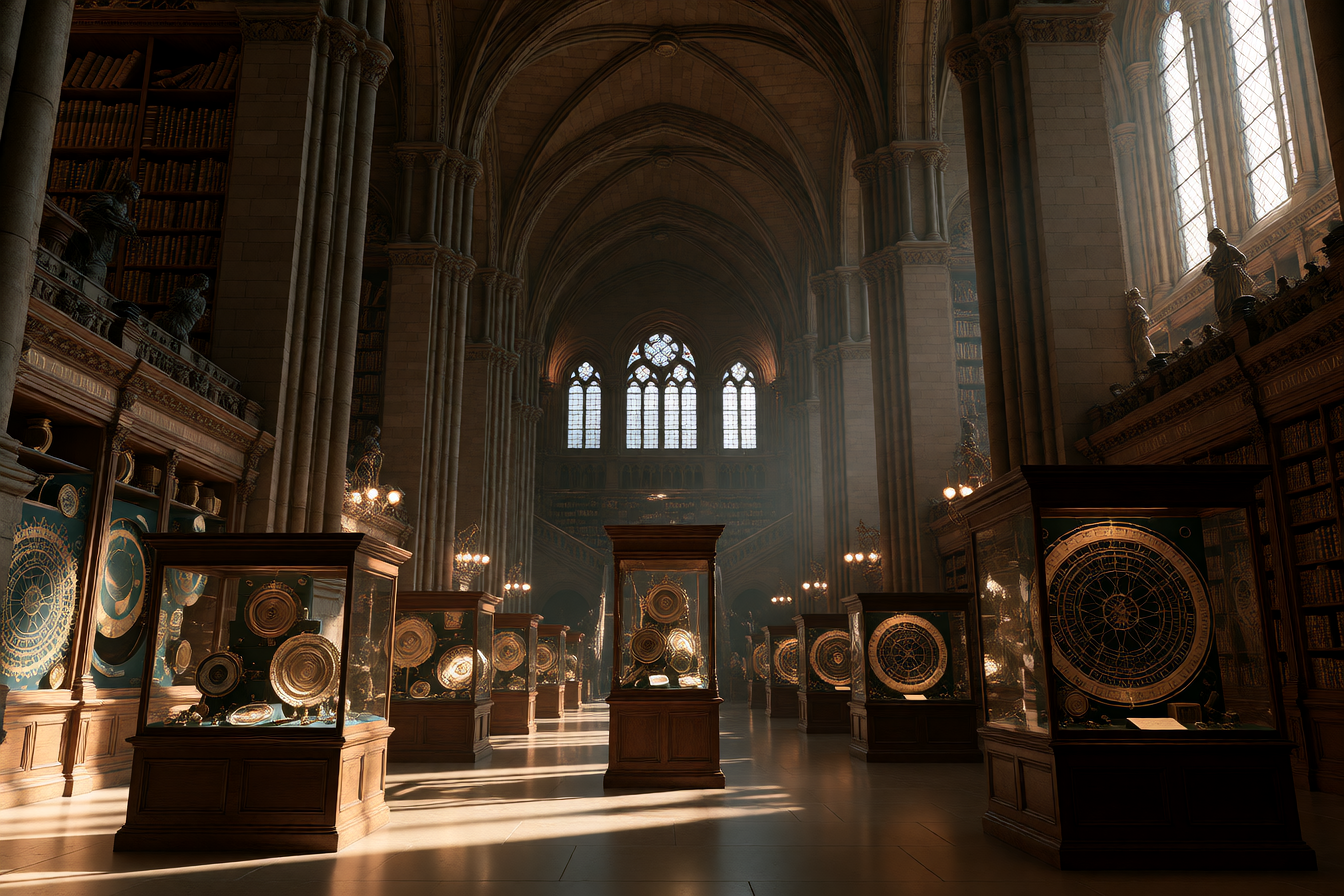
The Cipher Museum is an interactive digital museum where you don't just read about ciphers—you break them, build them, and watch encryption fail in real time. The Cipher Museum is part digital exhibit, part cipher playground, and part codebreaking classroom exploring 3,900+ years of encryption, cryptanalysis, and hidden history. It's open source and runs entirely in your browser.
What's there
Walk through 13 exhibit halls spanning 3,900+ years of cryptography, codebreaking, and secure communication. Explore 169 exhibits — 149 cipher and history exhibits, the Hall of Foundations mathematics annex, and the modern-protocol exhibits — interactive demos, and challenges. 146 exhibits have an on-page working demo or controllable visualization, including 126 cipher and history exhibits. The museum was created as an open-source project licensed under MIT and is maintained by a community of cryptography enthusiasts.
Where to start
- The Caesar Cipher interactive demo — Type plaintext and watch the shift cipher encrypt it letter by letter, with a rotating wheel showing how each key value works. It's simple enough to understand in seconds but compelling enough to explore.
- The Enigma Machine room — Configure rotor positions, plugboard settings, and reflectors, then encrypt a message character by character. See the electrical path light up as it flows through the machine's innards, just like the real WWII devices.
- The Dorabella Cipher exhibit — A genuine unsolved mystery: Edward Elgar's 87-squiggle cryptogram from 1897 that has resisted every cryptanalysis technique. Browse the competing theories about what method he used.
Make something from it
The visual language is pure mathematics: interlocking wheels, grids that hide messages through transposition, frequency charts that betray patterns. The color palette runs to brass and gunmetal, with diagrams that show encryption as a physical journey through wires and rotors. You could steal the aesthetic of mechanical secrecy—the idea that a message becomes invisible by moving through a predetermined path—for any visual work about hidden information, historical paranoia, or the beauty of logical systems.