The Museum of Near Futures: Imagined Objects from Tomorrow
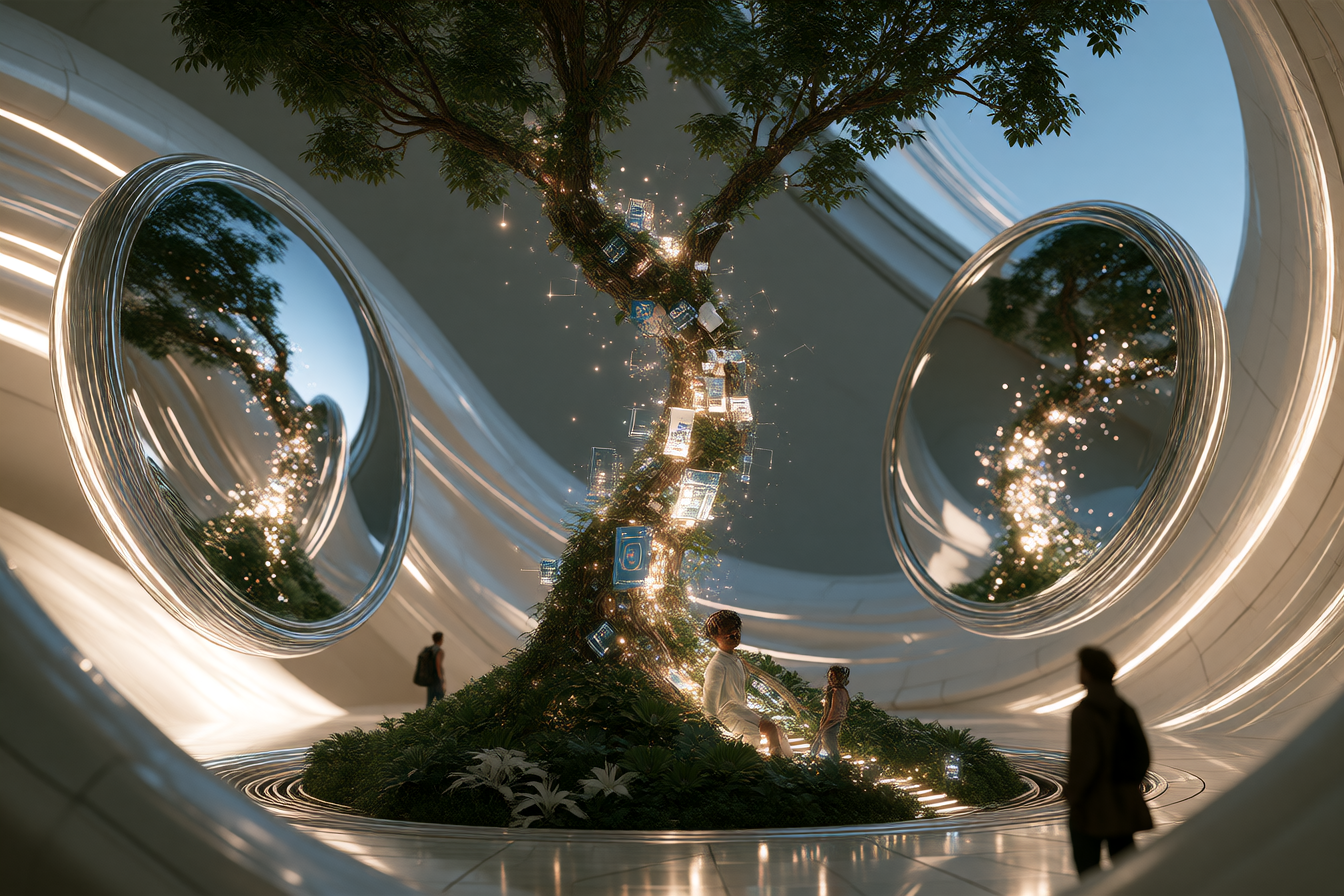
The Museum of Near Futures is a speculative digital museum where you can explore imagined futures through designed objects that don't yet exist. Created as a collaboration between Nanoelec (a French research institute) and Grenoble École de Management, it asks "What if?" about everything from emotion-sharing skin interfaces to AI mirrors that predict your aging.
What's there
The museum uses design fiction—a practice of making impossible futures feel real through carefully designed artifacts and scenarios. It's a teaching tool dressed as a gallery. The collection was built to help students, researchers, and anyone curious break free from industrial constraints and imagine more human, sustainable versions of tomorrow. You explore the foundational concepts: the Cone of Possibilities (plausible, possible, probable, preferable futures), Speculative Artifacts (objects that provoke), and the history of design fiction itself.
Where to start
- The Speculative Artifacts section: Browse imagined objects like the connected plant that stores data or the slow-delivery service. Each one is designed to feel almost real, making you question what technology should actually do.
- The Cone of Possibilities: Learn how to think about futures systematically—not just wild sci-fi, but realistic alternatives shaped by choices we make today.
- Design Fiction history: Trace how this practice grew from 1960s radical architecture (Archigram) through contemporary studios like Superflux, understanding the lineage of thinking that led here.
Make something from it
The objects here are prompts. An artist could take the aesthetic—soft, thoughtful, blending natural and technological materials—and create their own speculative design. The museum shows that futures don't have to look cold or chrome. They can be gentle, botanical, intimate. You could design a tool or fabric or interface that asks "What would this look like if it prioritized connection over extraction?" and render it with the quiet detail these artifacts display.