VGMaps: 50,000 Video Game Worlds Stitched from Screenshots
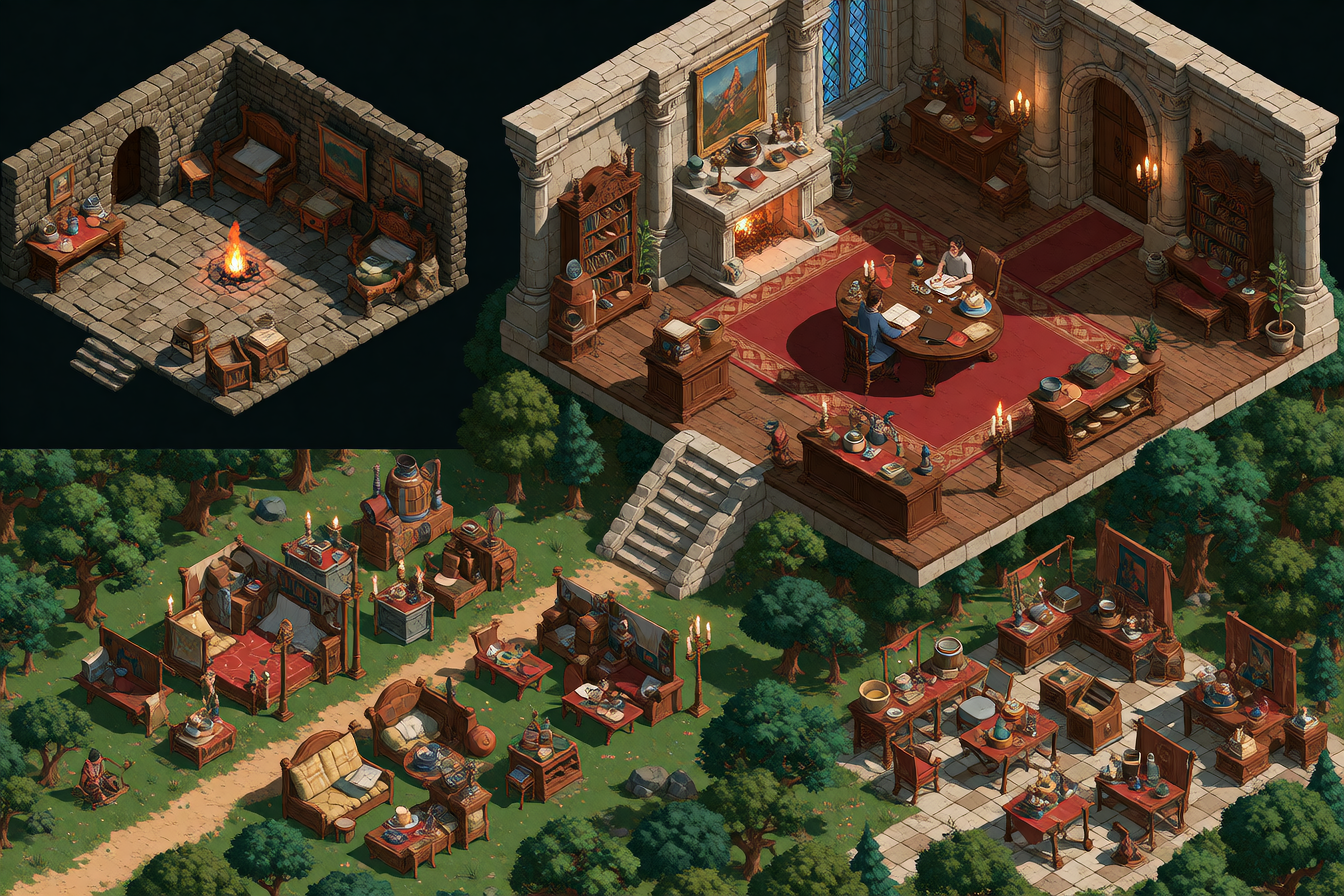
VGMaps.com: The Video Game Atlas is a 24-year-old collection of over 50,000 maps assembled from screenshots and stitched together to show complete game worlds from above—covering nearly 60 platforms and thousands of games.
What's there
Jonathan Leung launched the website in 2002 shortly after graduating from university. Inspired by the detailed maps from Nintendo Power magazines, he began manually stitching together screenshots from The Legend of Zelda: A Link to the Past, starting with the Lost Woods and expanding into larger sections of the game world. The site's focus is "screenshot maps"—maps carefully assembled directly from in-game visuals, cleaned up and stitched together piece by piece instead of simple drawings or rough layouts. The maps are assembled by average gamers and then submitted to Leung, who puts them on the website.
Where to start
- Browse by platform: Select from NES, Super NES, Genesis, Game Boy, Atari, MSX, PS1, Dreamcast and dozens more. Each platform has its own gallery revealing how level design changed across hardware limitations.
- Zelda and Mario series: The most comprehensively mapped games show how castle and dungeon architecture evolved—room by room across multiple titles—visible in a way playing never allows.
- Obscure cartridge collections: Thousands of games most people never played are here: Japan-only releases, early arcade conversions, forgotten Amiga titles, all with their spatial design laid bare.
Make something from it
These maps are raw level design language: how developers arranged tiles and room transitions to guide players, hide secrets, and create the feeling of a connected space. The constraints of pixel-art platforms become obvious when you see how limited a Metroid area truly was, or how tiny a Super Mario Bros. screen really is. Artists can study color palettes, the visual rhythm of repeated textures, and how environmental storytelling happened through pure architecture. The gridded, modular nature of these games suggests designs for digital spaces that use restriction to create style.